
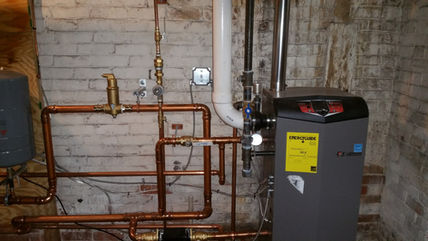
A furnace is usually not heating because of a thermostat setting, a tripped breaker, a clogged filter, closed vents, or a closed gas valve or empty oil tank. Check those first. If the furnace still will not heat, keeps shutting off, or you smell gas, stop and call a heating technician.
Few things ruin a Massachusetts morning like a cold house. A furnace not heating in January feels like an emergency, and sometimes it is. More often, the cause is a thermostat setting, a tripped breaker, or a clogged filter. Those checks take a few minutes and cost nothing. Knowing what to check first can save you a service call and a long, cold night. The trick is telling which ones are safe for you to do and which ones belong to a licensed technician.
At Aquaflow Plumbing & Heating, a Saugus heating and plumbing company serving the North Shore since 1999, we hear from homeowners on the first cold night of fall and every week after until March. This guide walks through the checks in the order we would run them, sorted by what your furnace is doing: not starting, blowing cold air, or shutting off. It also covers gas, oil, and boiler differences, and the point where you should stop and call for help.
Why Is My Furnace Not Heating the House?
Most no-heat problems start in one of four places: the controls, the power, the airflow, or the fuel. The thermostat tells the furnace to run. The power switch and breaker let it run. The filter and vents move air through it. Gas or oil gives it something to burn. Anything inside the furnace itself, such as the burner or the flame sensor, belongs to a technician.
Furnace Won’t Turn On? Check the Thermostat and Power
Start at the thermostat. Confirm it is set to Heat and that the temperature is above the current room temperature. If the display is blank or dim, replace the batteries.
Next, confirm the furnace has power. Set the thermostat fan to On. If you hear the blower run, the furnace has power. If not, the problem is bigger than a setting.
Then find the furnace power switch. It sits on or near the unit and often looks like a regular light switch, so it gets flipped by mistake. Make sure it is on, then wait a few minutes. Some furnaces have a short startup delay.
Check the breaker for the furnace circuit too. If it is off or sitting in the middle position, switch it fully off, then back on once. If it trips again, leave it off and call a technician.
Finally, look for a blinking status light. Furnaces built since about 1990 flash a code when something is wrong. Write the pattern down so you can give it to your technician.
Furnace Blowing Cold Air? Check the Filter, Vents, and Fan Setting
A furnace blowing cold air has a few easy suspects. The filter comes first. A clogged filter restricts airflow, and that can make the furnace shut down or lose heat. Check it monthly through the heating season, and replace it when it is dirty.
Next, open the supply and return vents, and move any furniture or rugs that cover them.
Then set the thermostat fan to Auto. On runs the blower between heating cycles, and that air feels cool.
If the thermostat is calling for heat and the air is still cold, the burner may not be firing. A furnace not blowing hot air for that reason often has a clogged burner or a dirty flame sensor. Both need a technician.
Furnace Starts, Then Shuts Off? Walk Outside and Test Your Alarms
A furnace that starts and then quits is often overheating or tripping a safety shutoff. Recheck the filter first, since a dirty one is the cause you can fix yourself.
Then walk outside and check every heating vent and exhaust pipe. The Massachusetts State Fire Marshal advises residents to keep outside vents clear of snow, including snow that drifts or gets shoveled onto them, because blocked vents can let carbon monoxide build up inside.
Test your carbon monoxide alarms while you are at it. Replace any that are more than five to seven years old. If one sounds, leave the home right away and call 911.
A few shutoff causes cannot be fixed with a spare filter. A dirty flame sensor, a clogged burner, a blocked condensate line, and a failing high limit switch can all stop a furnace. Each one needs a technician with the right tools.
Gas, Oil, or Boiler: Fuel Checks That Matter
Gas furnace. Find the gas valve on the line near the furnace. When the handle runs parallel to the pipe, the valve is open. An older furnace may have a pilot light. You can relight it by following the owner’s manual, but only if you are comfortable doing it.
If you smell gas, do not touch light switches and do not try to relight anything. Leave the house, then call your gas utility or 911 from outside. A damaged line or a failed fitting is gas fitting repair, and that work is for licensed pros only.
Oil furnace. Check the tank gauge first. An empty tank looks exactly like a broken furnace. If the burner’s red reset button is lit, the safety control has locked the burner out. Treat that as a service call, not a button to keep pressing. The signs an oil burner needs service usually show up well before the heat stops.
Boiler. If your heat comes from radiators or baseboards, you have a boiler, not a furnace. The first checks are the same: thermostat, power, and fuel. After that, call for boiler repair in Saugus.
When to Stop and Call a Heating Pro
Stop the checks and call a technician if any of these happen:
- You smell gas or something burning
- A carbon monoxide alarm sounds (leave first, then call 911)
- The furnace is still not heating after the checks above
- The furnace keeps shutting off and restarting
- You hear a loud bang or boom when the burner lights
- A status light shows an error code or a lockout
Call a heating company near you and describe what you already tried. Our team handles furnace repair across Saugus and the North Shore, and we also provide emergency heating service. Our heating services cover furnaces, oil burners, and boilers.
While you wait, protect the pipes. If the house is cooling off during a cold snap, frozen pipes become the next risk. Open the cabinet doors under sinks and let faucets on exterior walls drip until the heat is back.
Is It Time to Replace the Furnace?
If the furnace is old, has needed repeated repairs, or has lost a major part such as the blower motor or heat exchanger, compare the repair bill with the cost of a new unit. An estimate for furnace replacement gives you a real number to compare.
Quick Facts: Furnace Not Heating
- First checks: Thermostat on Heat, furnace switch, breaker, filter, and vents
- Power test: Set the thermostat fan to On and listen for the blower
- Gas valve: A handle parallel to the gas line means the valve is open
- CO alarms: Replace them after five to seven years
- If you smell gas: Leave the house and call from outside
Get the Heat Back On
Most no-heat problems come down to a thermostat, a switch, a filter, or the fuel, and you can check all four in minutes. When those checks fail, let a technician take over. Aquaflow Plumbing & Heating is ready to get your heat running again, so call 781-662-2850 or book a visit today.
FAQs
Why is my furnace running but not heating?
The blower can run while the burner does not fire. Check the thermostat, filter, and vents first. If those are fine, a dirty flame sensor, a clogged burner, or a fuel problem is likely, and a technician should take it from there.
Do I call a plumber or an HVAC technician for a furnace that won’t heat?
A heating technician handles the furnace itself. A licensed plumber or gas fitter handles gas piping problems. A company that does both, like Aquaflow, can cover either cause in one call.
Is it safe to relight a furnace pilot light myself?
Only on an older furnace that has a pilot light, and only if you follow the owner’s manual and feel comfortable. Never try it if you smell gas. Leave the house and call your gas utility or 911 from outside.
How often should I change my furnace filter?
Check it monthly during the heating season and replace it when it is dirty. A clogged filter restricts airflow and can cause the furnace to shut down.