
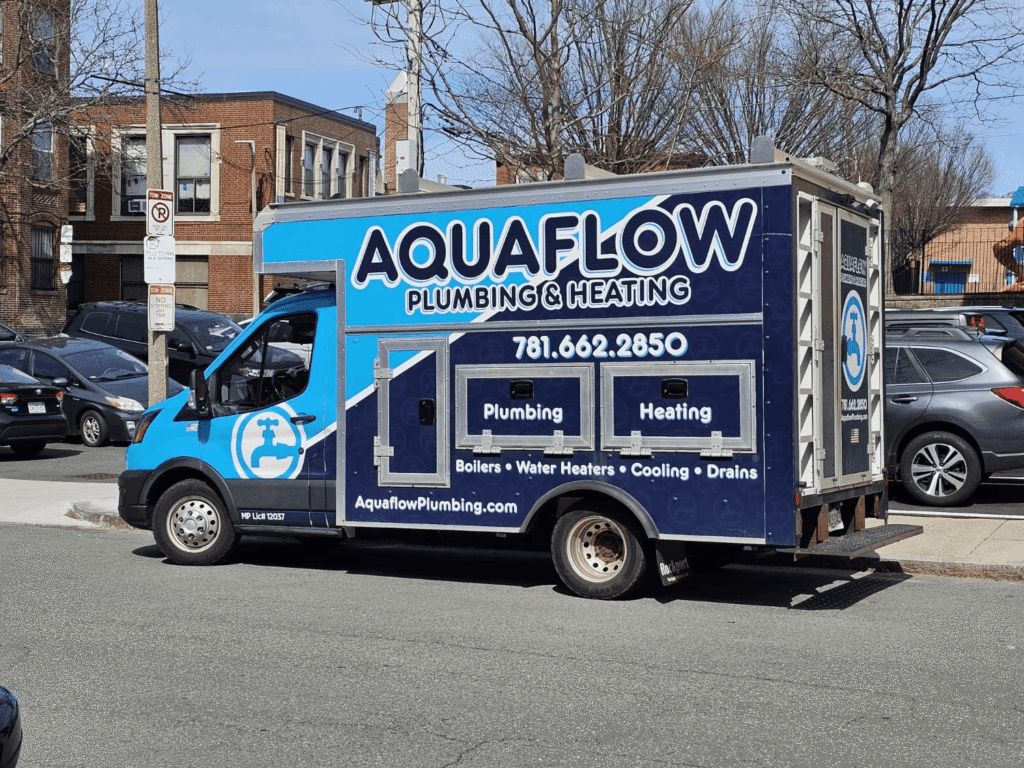
If you live in Greater Boston, the North Shore, or surrounding Massachusetts towns, you already know what winter does to a home. Months of freezing temperatures, ice, and heavy snow put serious stress on your pipes, heating systems, and water lines. Now that spring is here, it is the perfect time to do a full plumbing checkup before small issues turn into expensive repairs.
At Aquaflow Plumbing & Heating, we have been serving Massachusetts homeowners in Saugus, Boston, Revere, Wakefield, and surrounding communities for years. We see the same issues come up every spring, and most of them are completely preventable with a little attention. This checklist will walk you through everything you need to inspect, test, and address before the warmer months arrive.
Why Spring Plumbing Maintenance Matters for Massachusetts Homes
Massachusetts winters are tough. When temperatures drop well below freezing, water in exposed pipes can freeze and expand, causing cracks or full-on pipe bursts. Once things thaw out in spring, those hidden problems become very real, very fast.
Spring plumbing maintenance is not just about fixing what broke over winter. It is about making sure your entire system — from your water heater to your outdoor spigots — is running efficiently and safely going into the warmer months. Catching a small leak or a corroded fitting now can save you thousands in water damage repairs later.
Check All Exposed Pipes for Winter Damage
Start with a visual inspection of all exposed pipes in your basement, crawl space, garage, and along exterior walls. Look for cracks, bulges, or signs of moisture around pipe joints. Even a hairline crack can worsen quickly once water pressure increases in spring.
Pay close attention to pipes that run along exterior walls or in unheated areas, as these are most vulnerable to freeze-thaw damage. If you notice any discoloration, corrosion, or soft spots in copper lines, that is a sign you need a professional plumbing inspection before things get worse.
Inspect Your Water Heater Before Summer Demand Increases
Your water heater worked overtime all winter. Spring is the ideal time to inspect it for sediment buildup, corrosion around the tank, and unusual sounds when heating. Sediment accumulation at the bottom of the tank reduces efficiency and shortens the lifespan of the unit.
At Aquaflow Plumbing & Heating, we service both traditional and tankless water heater systems for Massachusetts homeowners. If your unit is more than 10 years old, or if you are noticing inconsistent hot water temperatures, it may be time for a water heater replacement or a professional flush and tune-up.
Also check the temperature and pressure relief valve (T&P valve). This is a critical safety component. If it is stuck or showing signs of rust, it needs to be replaced right away.
Test Your Sump Pump Before Spring Rain Season Hits
April and May bring heavy rainfall across Massachusetts, and a failing sump pump is one of the top causes of basement flooding in the region. Test your sump pump by pouring a bucket of water into the pit. It should activate automatically and drain the water quickly.
Check that the discharge line is clear and directing water well away from your foundation. If your sump pump is more than 7 years old, or if it runs loudly or struggles to keep up, consider having it inspected or replaced before the rainy season peaks.
Flush and Inspect Your Boiler or Heating System
Even though you are done with heating season, your boiler should not be ignored. Spring is actually the best time to schedule boiler maintenance, while demand is low and technicians have more availability.
Aquaflow Plumbing & Heating specializes in high-efficiency boilers, steam boilers, and oil burner systems across the Greater Boston and North Shore area. A spring service visit typically includes flushing the system, checking for leaks, testing controls, and ensuring everything is ready to go when temperatures drop again next fall. Staying on top of boiler maintenance also keeps your energy bills lower and extends the life of your system significantly.
If you are considering an oil-to-gas conversion or upgrading to a high-efficiency boiler, spring is a smart time to plan and schedule that work.
Check Outdoor Faucets, Hose Bibs, and Irrigation Lines
Once the frost is fully gone, turn on your outdoor faucets and check for dripping or reduced water pressure. A faucet that drips constantly after being opened likely has a cracked or damaged internal pipe from winter freeze damage.
If you have an irrigation or sprinkler system, walk the entire line before turning it on for the season. Look for cracked heads, damaged valves, or sections of line that shifted during frost heave. Running a damaged irrigation system can waste thousands of gallons of water and drive up your utility bills fast.
Also check that your outdoor hose bibs are properly sealed. In Massachusetts, freeze-proof hose bibs are standard, but they can still fail if a hose was left connected over winter, which prevents the internal valve from draining properly.
Inspect Drains, Fixtures, and Water Pressure Throughout Your Home
Walk through every bathroom and the kitchen and run each faucet and flush each toilet. You are looking for slow drains, gurgling sounds, low water pressure, or any visible leaks under sinks or around toilet bases.
Slow drains in spring are often a sign of tree root intrusion into your sewer lines. As trees come out of dormancy in spring, roots actively seek water sources, and older sewer lines in Massachusetts homes are a common target. This is not a DIY fix — it requires professional drain cleaning or a sewer line inspection with a camera.
Low water pressure across multiple fixtures could indicate a problem with your main supply line or pressure regulator. If you are noticing inconsistent pressure, contact a licensed plumber to diagnose the issue before it disrupts daily life.
Your Complete Spring Plumbing Maintenance Checklist at a Glance
Here is a quick summary you can print or save:
- Inspect exposed pipes for cracks, corrosion, or freeze damage
- Flush your water heater and test the T&P relief valve
- Test your sump pump and clear the discharge line
- Schedule a boiler or heating system service visit
- Turn on outdoor faucets and check for dripping or reduced pressure
- Inspect your irrigation system before the first use
- Run all faucets and flush all toilets to check for slow drains or leaks
- Check water pressure throughout the home
- Look under sinks for any signs of moisture or corrosion
- Schedule a professional plumbing inspection if anything looks off
Trust Aquaflow Plumbing & Heating for Your Spring Plumbing Needs in Massachusetts
Taking care of your plumbing in spring is one of the smartest things you can do as a Massachusetts homeowner. A few hours of attention now can prevent thousands of dollars in water damage, emergency repairs, and system replacements down the road.
Contact us today, At Aquaflow Plumbing & Heating, We serve homeowners across Saugus, Boston, Revere, Wakefield, Stoneham, Melrose, Lynnfield, Reading, Winchester, Chelsea, East Boston, Winthrop, and the entire North Shore area. Whether you need a water heater inspection, boiler tune-up, drain cleaning, or full plumbing repair, our team is ready to help.
📞 Call us today at 781-662-2850 or visit our online website to schedule your spring plumbing maintenance visit. Do not wait for a small problem to become a big one.
Frequently Asked Questions
When is the best time to do spring plumbing maintenance in Massachusetts?
The best time is late March through April, once the risk of hard freezes has passed. This gives you time to catch any winter damage before heavy spring rains and increased water usage in summer.
How do I know if my pipes were damaged over the winter?
Look for visible cracks, moisture stains, reduced water pressure, or discoloration around pipe joints. If you hear dripping sounds in walls or notice unexpectedly high water bills, a pipe may have cracked and is leaking slowly.
What is a sump pump and do I need one in Massachusetts?
A sump pump removes water that collects in a basement pit and discharges it away from your foundation. Given Massachusetts’s heavy spring rainfall, most basements with any history of moisture issues benefit from a working sump pump.
Can I test my sump pump myself?
Yes. Pour a few gallons of water into the sump pit. The pump should activate on its own and remove the water within a minute or two. If it does not turn on, runs slowly, or makes unusual noises, call a plumber for an inspection.